












ANNUAL SURVEY:NO CLEAR PICTURE
Will the new year be as challenging as the last one? Will the situation come to an ease or intesify? The editors of the European Coatings Journal once again surveyed decision makers from the European paint and coatings industry at the turn of the year. Find out on the following pages how the review of 2022 and the outlook for 2023 turn out.
 2023-06-19

TOP INDUS TRY MOVE:ON TRACK FOR GROWTH
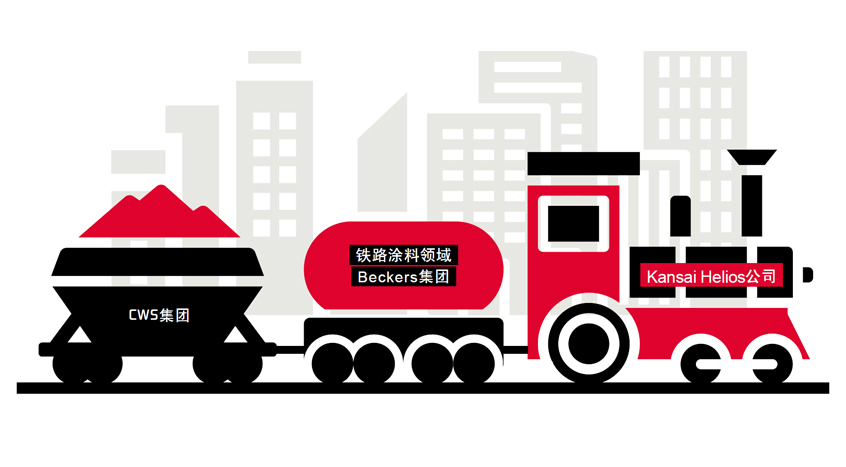
The European subsidiary of Japanese Kansai Paints, Kansai Helios, ended the year 2022 with a shopping spree. A purchase agreement was signed at the end of November to acquire a 100 % share of German-based CWS with its group companies. Only a few days later, an asset purchase agreement followed for the acquisition of the French railway coatings business Becker Industrie of Beckers Group.
2023-06-16

INDUS TRY NEWS:MARKET MOVES
A short overview on the most important moves within the European coatings industry. You can find more news on markets and companies, raw materials and technologies at www.european-coatings.com.
2023-06-15

R&D NEWS:Ice-phobic polyurethane composite coating
A recent study presents a new way to attain an ice-phobic polyurethane (PU) composite coating, which was fabricated by incorporating minor dosages of hybrid silica particles and silicone oil (SO) into the formulation of a commercial aerospace PU topcoat. The hybrid silica particles were synthesised by anchoring polydimethylsiloxane (PDMS) oligomers to silica microspheres. Both hybrid particles and SO amalgamate in the surface matrix of PU to induce a spread of wrinkling micro-loops over the coating. It was possible to adjourn the onset of frosting to ~ -10 °C of from - 5.6 °C on the aerospace PU topcoat.
2023-04-27
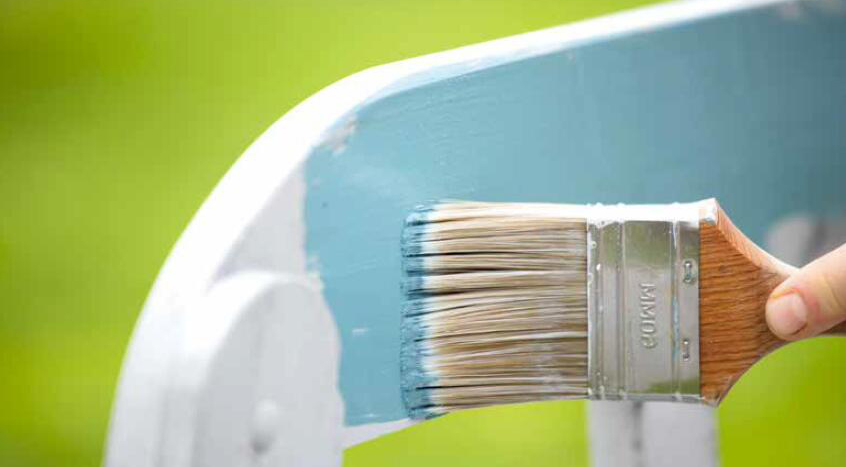
FURNITURE COATINGS:MEETING IKEA R2 REQUIREMENTS FOR COATINGS
2023-04-26

WOODCOATINGS CONGRESS AWARD WINNING PAPER:TOWARDS A SMALLER FOOTPRINT
With the EU Green Deal targeting climate neutrality by 2050, the need to reduce the environmental impact of industrial processes like wood coatings is increasing. Using tools like the life cycle assessment (LCA), we demonstrate how waterborne polyurethane systems can help us to reduce the carbon footprint of wood coatings in comparison to two component solvent-borne polyurethanes. We highlight the latest developments, such as a hardener (“Bayhydur quix”) which can additionally contribute to a significant reduction of the environmental footprint in a high-performance wood coating system by accelerating the drying process. We also present different available solutions for further reducing CO2 emissions by using partially bio-based raw materials, both for solvent-borne and water-borne technologies.
2023-04-25

EFFECT PIGMENTS:GILDED SURFACES
Innovative mixing system with effect pigments. By Dr Frank J. Maile and Dr Adalbert Huber, Schlenk Metallic Pigments,and Dr Jiri Filip, SightTex.
2023-04-24
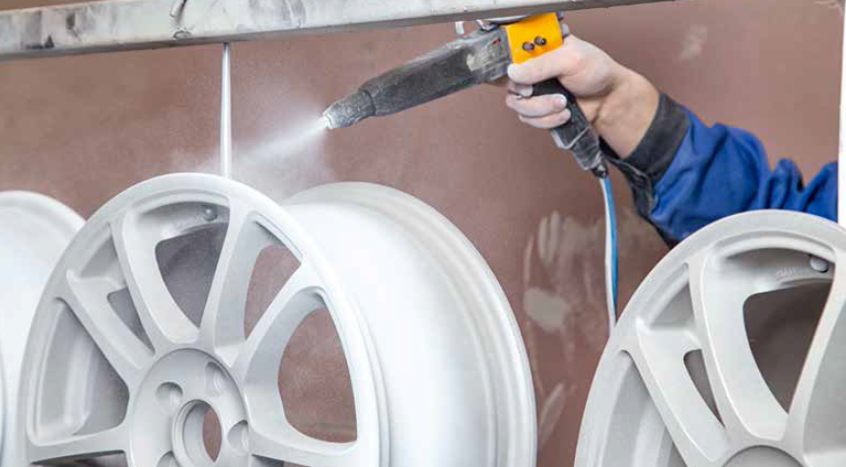
POWDER COATINGS:SIMPLE MATTING FOR INDOOR AND OUTDOOR USE
There is considerable market demand for matt and semi-matt powder coatings, however, these formulations often depend on the binder chemistry. A novel additive will enable powder coating manufacturers and applicators to achieve universal, yet simple gloss reduction of various powder coatings without the matting effect being dependent on any special binder reactivity.
2023-04-23
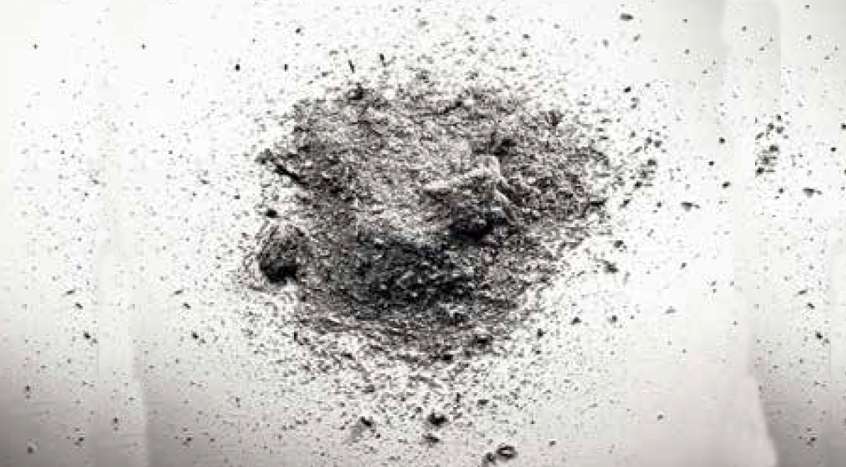
POWDER COATINGS:PRODUC T OVERVIEW
Powder coatings are real all-rounders. They impress with high mechanical and chemical resistance and outstanding corrosion protection properties. Without solvents, they are very environmentally friendly. but the use of a powder coating system is challenging because complex geometries reveal limitations.
2023-04-21
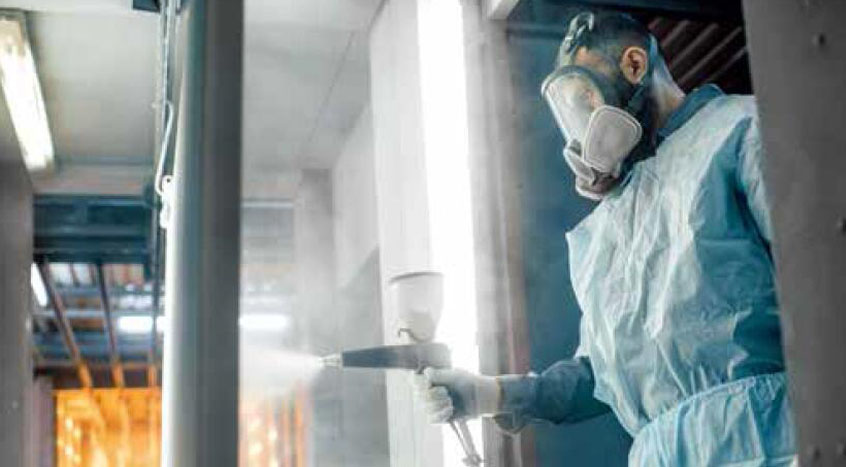
POWDER COATINGS:EXPERT VOICES
Challenges in powder coatings include the need for an expanded performanceprofile and the need for lower and lower curing. For example, applicationswhere corrosion resistance is the primary trait are now pushingfor extended durability, particularly in automotive, architectural, and ACEmarkets.
2023-04-20